Closing the Gap: Integrating Maternal Health and Gestational Diabetes Care for Lifelong Health
Anna Frellsen is CEO of Maternity Foundation and Sanne Frost Helt is Senior Director for Policy, Programme and Partnership at World Diabetes Foundation
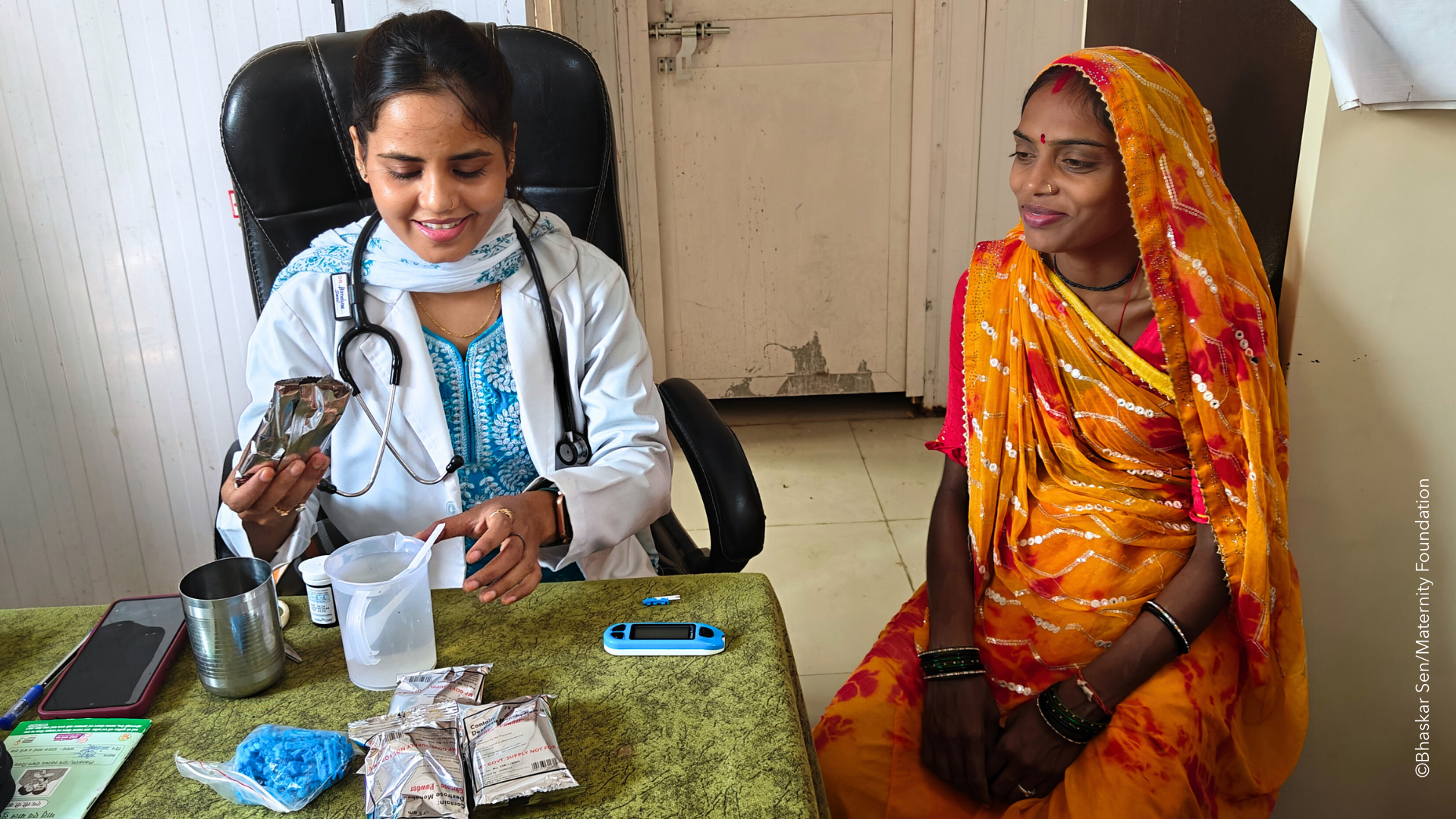
Pregnancy opens a unique window for healthcare engagement, a moment when millions of women routinely interact with health services. This interaction provides a critical opportunity not only to support maternal and newborn health, but also to detect and manage noncommunicable diseases (NCDs) such as gestational diabetes mellitus (GDM), which can have lasting effects on both mother and child.
In India alone, an estimated 5 million women develop GDM each year, yet many remain undiagnosed or untreated. This number is staggering, yet we can make a change through an integrated approach to care.
Closing this gap is not only about improving maternal health and preventing GDM; it is a strategy for strengthening the quality of care for mothers and babies and supporting lifelong health.
Why Integration Matters
Integrating GDM care into maternal health services offers benefits far beyond a single pregnancy. Early detection and timely intervention can:
- Reduce complications during pregnancy and childbirth, such as pre-eclampsia
- Prevent future diabetes risk, including type 2 diabetes, for both mother and child
- Prevent future cardiovascular disease in both the mother and the child.
Overall, by connecting GDM care with routine maternal health services, health systems can move from reactive treatment to a preventive, holistic approach, ensuring care is comprehensive, coordinated, and focused on long-term health outcomes.
How Integration Can Be Achieved: Lessons from Madhya Pradesh
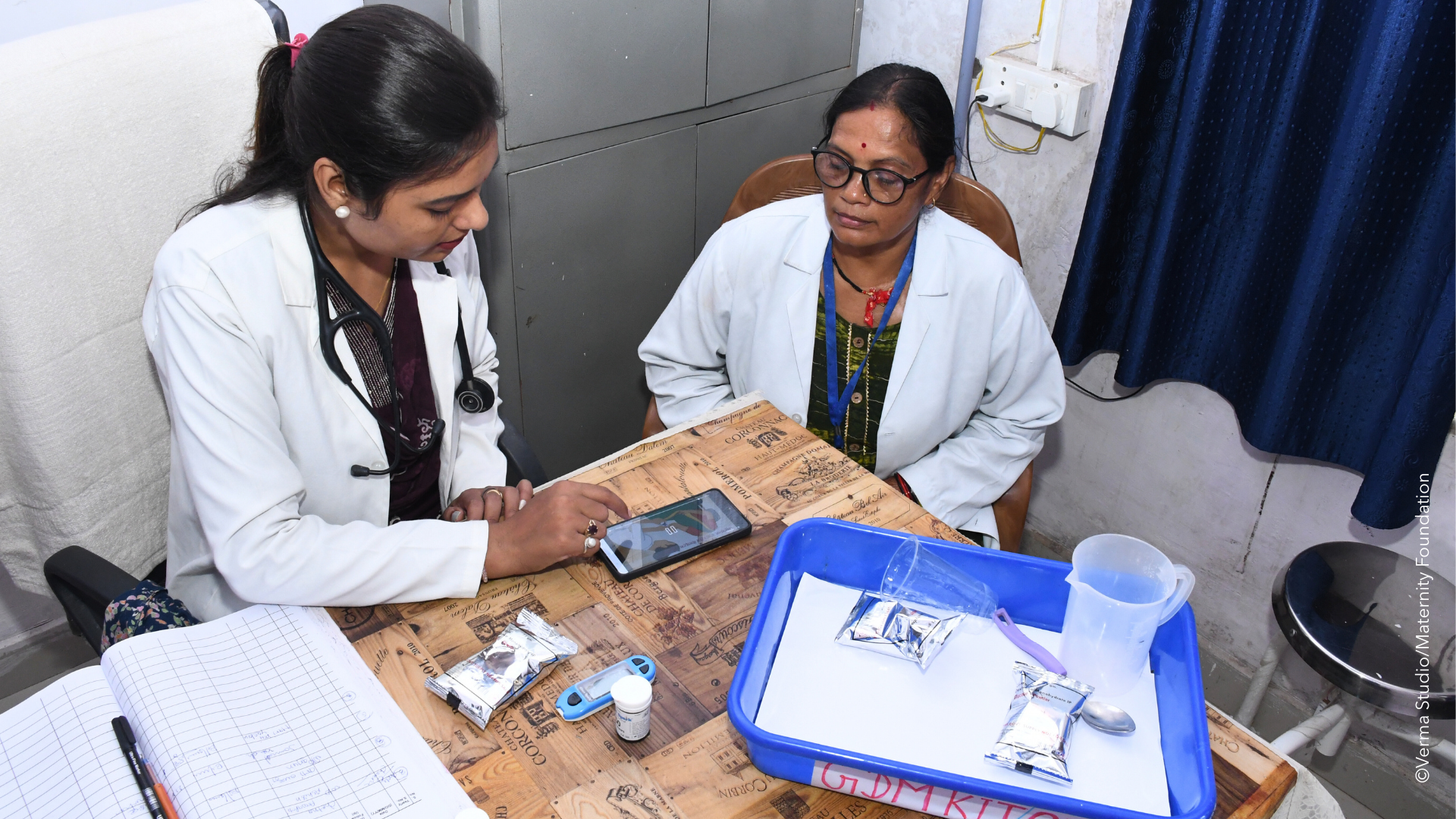
A joint initiative by Maternity Foundation and World Diabetes Foundation, in partnership with the Madhya Pradesh State government in India, demonstrates how GDM care can be effectively embedded into maternal health services, improving both service delivery and health outcomes.
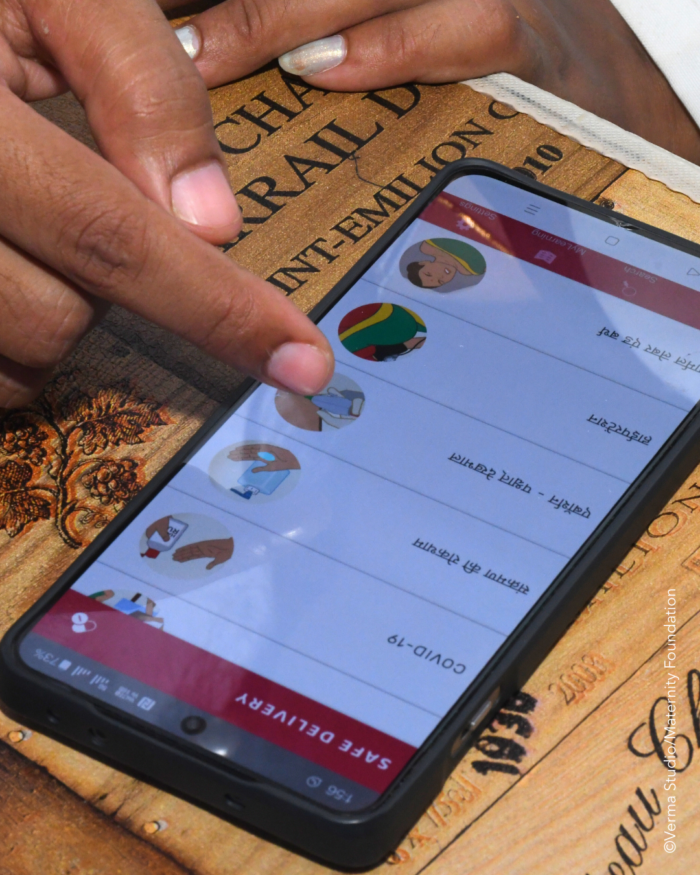
In March 2024, a specialised GDM module was launched for midwives and other healthcare professionals within the Indian version of the Safe Delivery App. The new App version was subsequently piloted in clinics across selected districts of the state of Madhya Pradesh.
The Safe Delivery App is an evidence-based job aid, training and micro-learning tool designed to support midwives and other healthcare professionals in delivering high-quality maternal and newborn care. It is free and, once downloaded, works offline on smartphones and tablets, meaning it can support midwives and other healthcare professionals anywhere, anytime.
The Safe Delivery App provides simple, animated instruction videos, descriptions of practical procedures, action cards, and drug lists that midwives and other healthcare professionals can refer to – either on the job, in their spare time or as part of their training. With more than 240,000 downloads nationwide, the App has already become a trusted companion for midwives and other healthcare professionals across India.
Since the launch of the GDM module within the Indian Safe Delivery App:
- 16,700 users are engaging with the GDM module, alongside 33,000 users of the accompanying antenatal care (ANC) module. In combination, these modules support healthcare professionals in preventing, detecting, and managing GDM.
- Of these, 6,600 users of the GDM module and 24,800 of the ANC modules have reached the expert level in the Safe Delivery’s App’s MyLearning Platform. This means they have completed the full learning pathway for these modules and are now equipped to apply evidence-based practices in their daily care.
These numbers illustrate how digital tools can build midwives’ and other healthcare professionals’ skills and knowledge efficiently and cost-effectively, enabling them to manage maternal health and GDM care in a coordinated way.
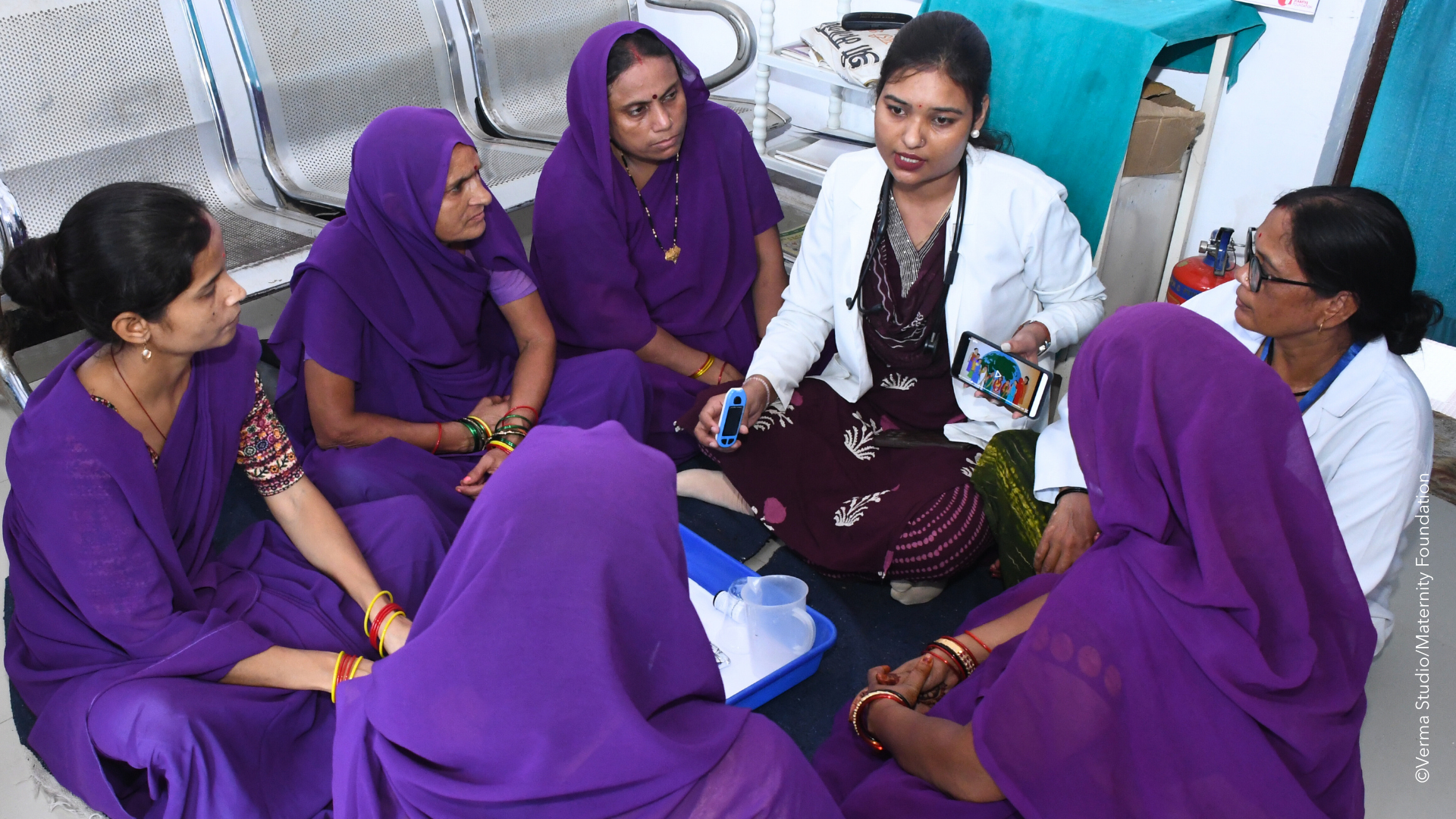
The impact is also evident on the ground. Combined with hands-on training and other capacity-building efforts, the initiative has led to measurable changes in clinical practice. Midwives and other healthcare professionals in Madhya Pradesh now:
- Routinely conduct oral glucose tolerance tests (OGTTs)
- Manage GDM according to national protocols
- Integrate GDM screening and counselling into routine maternal health visits
The impact numbers speak for themselves. Overall, in Madhya Pradesh, the intervention demonstrated substantial improvements in service delivery at the district level, with GDM screening coverage increasing from 26.5% to 51.4% in the Chhatarpur district and from 30.1% to 96% in the Damoh district between 2023 and 2025.
This experience shows that integration is feasible even in resource-limited settings and demonstrates how health systems can provide comprehensive, preventive care instead of creating parallel services.
Key Lessons for Scaling
The Madhya Pradesh initiative offers a practical blueprint for replicating integrated maternal and GDM care elsewhere:
- Leverage digital tools. Platforms like the Safe Delivery App can support continuous skills and knowledge building, connecting maternal health and GDM management—even in the most remote areas. When combined with training and other capacity-building efforts, digital tools can drive measurable improvements in care.
- Adopt a holistic, preventive approach. Integration shifts the focus from reactive treatment to prevention, ensuring that care is comprehensive,coordinated, and centred on long-term health outcomes.
- Inclusivity and equity must be built in. Digital tools such as the Safe Delivery App offers a powerful opportunity to deliver high-quality maternal and GDM care for all, regardless of language, literacy level, or geographic location. Although the GDM content is currently available in English and Hindi for use in India, the Safe Delivery platform supports more than 30 languages globally, enabling the content to be translated and contextually adapted for other settings and presenting significant potential to expand access to evidence-based learning for a wider range of healthcare professionals.
- Government leadership is necessary. Strong government involvement is needed to scale integrated maternal and GDM care. Clear policies, sustained investment, and coordinated implementation strengthen pathways for impactful system-wide change.
By applying these strategies, health systems can close the GDM gap, strengthen the quality of maternal health services, and improve outcomes for both mothers and their children.
Building on the Madhya Pradesh experience, the next step for the GDM module is to integrate the recently updated WHO guidelines on GDM into the global master versions of the Safe Delivery App, making them accessible to many more midwives across five languages: English, French, Arabic, Spanish, and Portuguese.
Integration as a Pathway to Lifelong Health
The Madhya Pradesh experience demonstrates that integrating GDM care into maternal health services is not only feasible—it is transformative. Making GDM screening, counselling, and management a part of standard maternal health services turns pregnancy into a key moment for preventing future diabetes and improving long‑term health for mothers and children. By linking maternal health and GDM prevention when women are already engaged in care, countries can reduce complications here and now and break intergenerational cycles of diabetes and cardiovascular disease.
This approach represents the future of quality care—holistic, preventive, and leveraging technology to drive impactful change for mothers and children, both today and for the long term.